PlasticPallets
Hygienic, durable, and endlessly recyclable. The modern choice for industries that demand the highest standards.
Order Plastic Pallets
Request pricing for our plastic pallet range.
Why Plastic?
When your application demands more than wood can offer.
Hygienic
Non-porous surface prevents bacterial growth. Easy to wash and sanitize. FDA compliant for food contact.
Durable
Resistant to moisture, chemicals, and insects. No splinters, no nails. Won't rot or degrade.
Lightweight
Up to 30% lighter than wood equivalents. Reduces shipping costs and makes handling easier.
Long-Lasting
Expected lifespan of 10+ years with proper use. Significantly higher reuse cycles than wood.
Consistent
Manufactured to exact specifications every time. No variation in weight, dimensions, or capacity.
Recyclable
At end of life, plastic pallets can be ground down and reformed into new pallets. 100% circular.
Ideal Applications
Food & Beverage
FDA-compliant surfaces, easy washdown, no contamination risk.
Pharmaceutical
Clean-room compatible. No particles, no wood fibers, no insect risk.
Automated Warehousing
Consistent dimensions ensure perfect compatibility with AS/RS systems.
Export Shipping
No ISPM-15 treatment required. No fumigation fees. No border delays.
Material Types
We offer three distinct plastic formulations, each optimized for different applications and budgets.
HDPE (High-Density Polyethylene)
HDPE is the industry standard for plastic pallets. It delivers an excellent balance of strength, chemical resistance, and cost-effectiveness. HDPE pallets are FDA-approved for direct food contact and can withstand temperatures from -40°F to 160°F.
- Excellent chemical resistance
- FDA-approved food-safe material
- 100% recyclable at end of life
- Best balance of cost and performance
PP (Polypropylene)
Polypropylene pallets are lighter than HDPE while offering superior heat tolerance — up to 230°F. This makes them the preferred choice for pharmaceutical, chemical, and high-temperature processing environments where autoclaving or steam sterilization is required.
- Lighter than HDPE
- Higher heat tolerance (up to 230°F)
- Ideal for pharmaceutical environments
- Autoclave and steam sterilization safe
Recycled Blend
Our recycled blend pallets are made from 100% post-consumer recycled plastic — diverted from landfills and given a second life. They deliver the same structural performance as virgin material pallets at a lower cost and with a significantly smaller carbon footprint.
- 100% post-consumer recycled plastic
- Same structural performance
- Lower cost than virgin material
- Smallest environmental footprint
Cost Analysis: Plastic vs Wood Over Time
Plastic pallets cost more upfront, but the total cost of ownership tells a different story.
Wood Cheaper by 40%
Wood pallets have a significantly lower purchase price. At year one, wood is the clear winner on upfront cost. However, wood pallets may already need minor repairs and heat treatment for international use.
Costs Break Even
By year three, most wood pallets need replacement or significant repair. Treatment, labor, and disposal costs add up. Plastic pallets are still on their first lifecycle with zero maintenance costs.
Plastic Saves 25%
Wood pallets are now on their second or third replacement cycle. Factor in purchase, repair, treatment, and disposal costs — plastic has saved you 25% compared to the cumulative wood spend.
Plastic Saves 50%
After a decade, you are still on the original plastic pallet. No replacements, no repairs, no heat treatments, no disposal fees. Wood would have been replaced 2-3 times by now, totaling double the cost.
Analysis based on average market pricing for standard 48x40 pallets in comparable applications. Actual savings vary by use case, volume, and handling conditions.
Care & Maintenance
Plastic pallets are low-maintenance by design, but a few simple practices will maximize their lifespan.
Pressure Wash for Sanitization
Plastic pallets can be fully sanitized with a standard pressure washer. Use hot water (up to 180°F) for food-grade applications. Unlike wood, plastic won't absorb water or harbor bacteria after washing.
Inspect for Cracks Quarterly
While plastic pallets are extremely durable, they can develop stress cracks over time — especially at fork entry points. A quarterly visual inspection catches issues before they become safety hazards.
Avoid Dragging on Rough Surfaces
Dragging pallets across concrete or asphalt wears down the bottom deck and feet. Always lift pallets with a forklift or pallet jack. This single habit can add years to your pallet lifespan.
Store Stacked in a Dry Location
While plastic pallets are waterproof, storing them in a dry, covered location prevents dirt buildup and keeps them ready for use. Nestable pallets should be stacked nested to save floor space.
Replace at First Structural Crack
A cracked pallet is a safety risk. If you notice any structural crack — not just surface scratches — remove the pallet from service immediately. Plastic cannot be field-repaired like wood.
Recycle Damaged Pallets Through Us
Don't send broken plastic pallets to landfill. We accept returns of damaged plastic pallets and recycle them into our recycled blend product line. It's free, it's easy, and it's the right thing to do.
Available Configurations
Every warehouse, supply chain, and application has different needs. We stock five distinct pallet configurations.
Nestable
Space SaverDesigned with tapered feet that allow empty pallets to stack (nest) inside each other, reducing storage footprint by up to 70%. Ideal for businesses with limited warehouse space or for return logistics where empty pallet volume is a concern. Available in standard 48x40 and Euro sizes.
Stackable
General PurposeFlat top and bottom deck design allows loaded pallets to be stacked safely on top of each other — no racking required. The most versatile configuration for general warehousing, floor stacking, and container loading. Supports loads up to 5,500 lbs in static stacking.
Rackable
Warehouse ReadyReinforced with internal steel or extra-thick plastic supports to handle the span and load demands of warehouse pallet racking systems. Rated for 2,200-2,800 lbs in racking applications. Essential for any business using selective, drive-in, or push-back racking.
Export
InternationalLightweight, cost-effective pallets designed specifically for one-way international shipping. No heat treatment required (unlike wood), no fumigation certificates, no ISPM-15 compliance headaches. Simply load, ship, and forget — no return logistics needed.
Display
Retail ReadyPremium finish with smooth edges and clean aesthetics, designed to go straight from the truck to the retail floor. Available in custom colors to match brand guidelines. Anti-slip top surface keeps products secure during display. Perfect for Costco, Sam's Club, and big-box retail.
Technical Specifications
Complete specifications for our most popular plastic pallet models.
Load capacities vary by manufacturer and specific model. Contact us for certified specification sheets for any product in our lineup.
Why Choose Our Plastic Pallets
Beyond the material itself, here is what sets our plastic pallet program apart.
No ISPM-15 Treatment Required
Plastic pallets are exempt from ISPM-15 phytosanitary regulations because they are non-organic. This eliminates the cost and hassle of heat treatment, fumigation certificates, and customs inspections for international shipments.
Zero Splinters and Nails
Plastic pallets have no nails, staples, or sharp edges. This means fewer workplace injuries from splinters, punctures, and cuts. It also eliminates the risk of product damage from protruding fasteners hitting goods during transport.
Impervious to Moisture
Unlike wood, plastic does not absorb water. This means no mold, no rot, no bacterial growth, and no weight gain from moisture exposure. Plastic pallets are the only choice for wet environments, cold storage, and outdoor exposure.
Exact Same Weight Every Time
Wood pallets vary by 10-20% in weight due to moisture and natural variation. Plastic pallets weigh exactly the same every unit, every time. This precision matters for accurate load weights, shipping costs, and automated handling equipment.
Chemical Resistant
HDPE and PP plastics are resistant to acids, bases, solvents, and most industrial chemicals. Spills wipe clean without absorption or staining. This makes plastic pallets essential for chemical manufacturing, laboratories, and industrial cleaning environments.
Insects Cannot Survive
Wood pallets can harbor insects, larvae, and eggs in their grain. Plastic is completely inhospitable to pests. This eliminates biosecurity risks and is why many food processing facilities have switched entirely to plastic pallet programs.
100% Recyclable at End of Life
When a plastic pallet reaches the end of its service life, it is ground into pellets and remanufactured into new pallets or other products. Nothing goes to landfill. Our recycled blend line is made entirely from reclaimed end-of-life pallets.
Custom Colors and Branding
Plastic pallets can be manufactured in any color. Use color coding to organize inventory by product line, destination, or department. Add your company logo molded directly into the pallet surface for permanent identification.
Compatible with RFID and Tracking
Plastic pallets can embed RFID tags, barcodes, and GPS trackers directly into the pallet body during manufacturing. This enables real-time asset tracking, automated inventory management, and supply chain visibility throughout the logistics cycle.
Plastic Pallets Gallery
See our plastic pallet range in real-world applications.
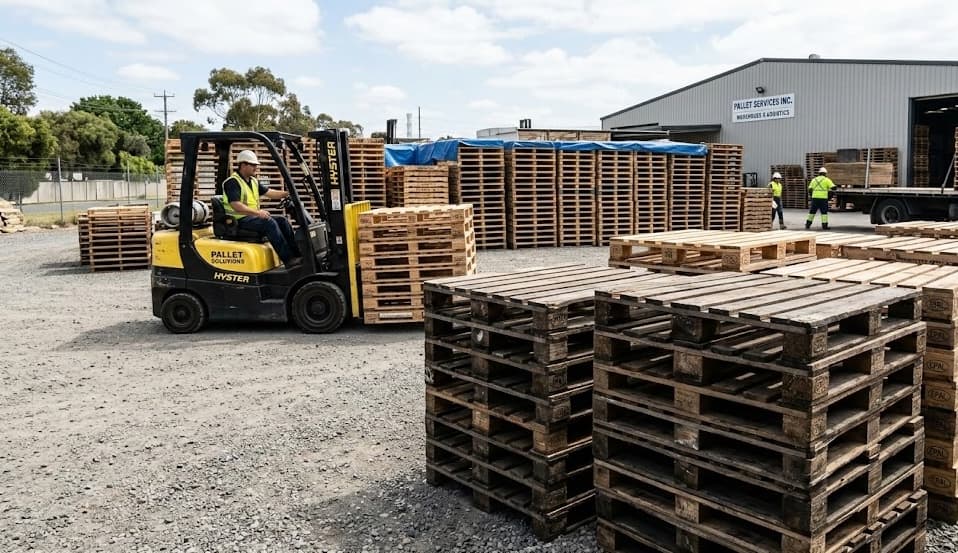
Nestable Pallets Stacked

Rackable in Warehouse

Food-Grade Stackable
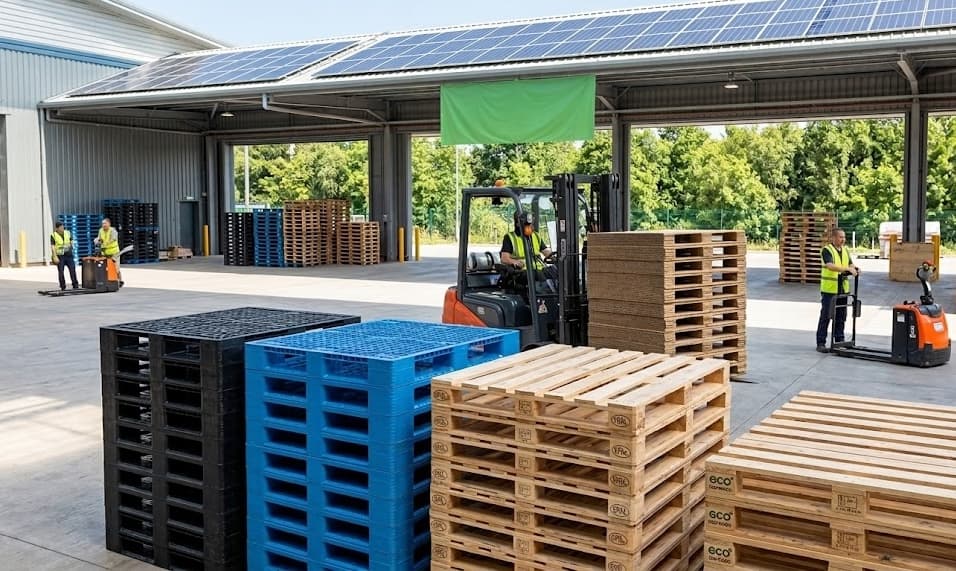
Export Ready Pallets
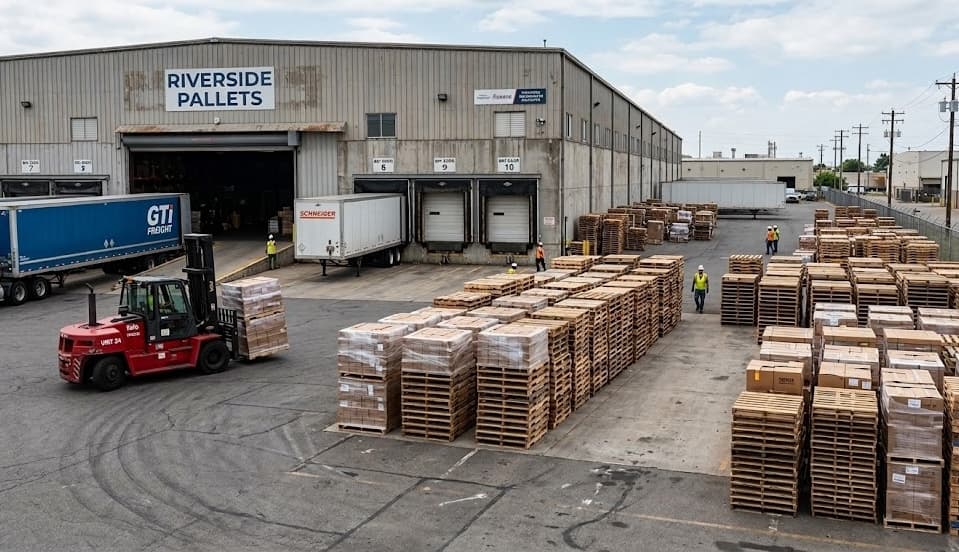
Recycled Blend Production
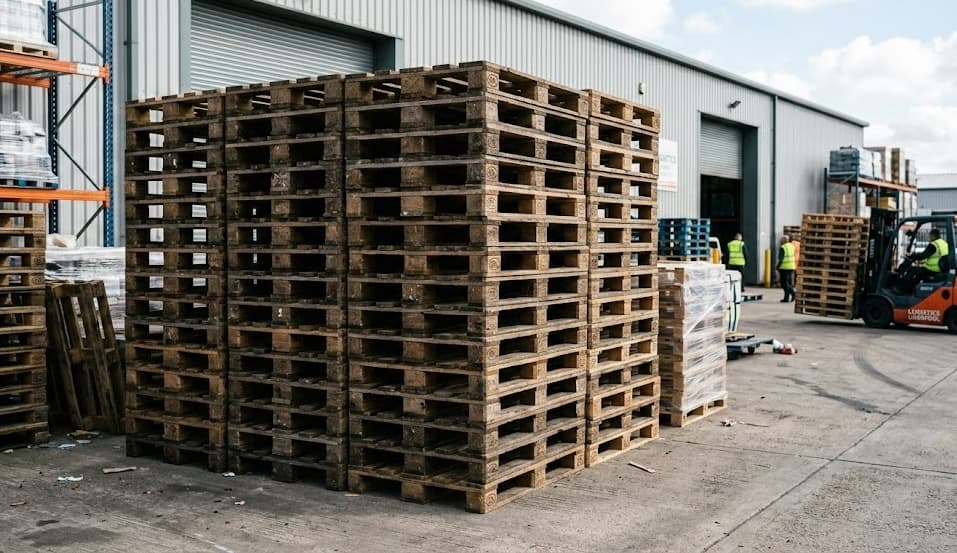
Custom Branded Pallets
Plastic vs Wood: Head-to-Head
An honest comparison to help you make the right choice for your specific application.
Our recommendation: Plastic pallets are the superior choice for closed-loop systems, food and pharmaceutical environments, automated warehouses, and international shipping. Wood pallets remain the better option for open-loop, one-way shipping where cost per trip is the primary concern.
Industries We Serve
Plastic pallets are the preferred choice for industries where hygiene, consistency, and longevity matter most.
Food & Beverage Processing
FDA-approved surfaces that meet HACCP standards. Easy to sanitize between loads. No splinters or nails to contaminate products. Required by many major food processors and retailers.
Pharmaceutical Manufacturing
Clean-room compatible with zero particulate shedding. Autoclave-safe polypropylene options. No insects or biological contamination risk. Meets FDA and cGMP requirements.
Cold Storage & Frozen Goods
Plastic pallets perform flawlessly from -40F to 160F without cracking or warping. No moisture absorption in freezer environments. Will not grow mold or rot in high-humidity cold rooms.
Chemical & Hazmat
HDPE is resistant to acids, caustics, solvents, and most industrial chemicals. Easy decontamination after spills. Spark-resistant options available for flammable material handling environments.
Automated Warehousing (AS/RS)
Exact dimensional consistency ensures flawless operation in automated storage and retrieval systems. No jams from splinters, broken boards, or protruding nails. Consistent weight for accurate conveyor operation.
Dairy & Meat Processing
Non-porous surface prevents bacterial harboring critical for USDA-inspected facilities. Withstands daily pressure washing and chemical sanitization without degradation. The industry standard for dairy and meat plants.
Retail Display & Merchandising
Custom colors, smooth surfaces, and professional appearance make plastic pallets perfect for retail floor display. Anti-slip tops keep products secure. Available with company logos molded in.
Electronics & High-Value Goods
Anti-static plastic options protect sensitive electronic components. Clean, particle-free surfaces prevent scratches on finished products. RFID tracking compatibility for asset management of high-value loads.
Cosmetics & Personal Care
No risk of product contamination from wood dust, splinters, or insects. Smooth surfaces prevent damage to packaging and labels. Clean presentation meets the high standards of cosmetics brands.
Healthcare & Medical Devices
Sterilizable surfaces for medical device transport and storage. No biological contamination risk. Consistent sizing for hospital automated systems. Meets strict healthcare supply chain requirements.
Pricing Information
Plastic pallet pricing varies by type, material, and volume. Here are typical ranges for our most popular models.
Standard 48x40 Plastic Pallets
Nestable (HDPE)
Lightweight, space-saving design
Stackable (HDPE)
General purpose, floor stacking
Rackable (HDPE + Steel)
Reinforced for racking systems
Export (Recycled)
One-way international shipping
Display (Custom Color)
Retail-ready finish and branding
Polypropylene (High Temp)
Autoclave-safe, pharmaceutical grade
Volume Pricing
Leasing Program Available
Not ready to invest in purchasing? Ask about our pallet leasing program. Lease plastic pallets on a per-trip or monthly basis with no upfront capital expenditure. We handle maintenance, replacements, and end-of-life recycling. Pay only for what you use.
Frequently Asked Questions
Everything you need to know about our plastic pallet program.
How long do plastic pallets actually last?
In a well-managed closed-loop system, plastic pallets typically last 10-15 years and can complete 200+ trips before showing signs of wear. Some of our customers are still using pallets they purchased over a decade ago. The key to longevity is avoiding dragging on rough surfaces and removing pallets with structural cracks from service promptly.
Can plastic pallets be used in pallet racking?
Only rackable-grade plastic pallets are rated for pallet racking systems. These pallets are reinforced with internal steel tubes or extra-thick plastic supports to handle unsupported span loads. Our rackable models are rated for 2,200-2,800 lbs in standard selective racking. Never use nestable or lightweight pallets in racking, as they can fail under load.
Are plastic pallets really FDA approved for food contact?
Yes. Our HDPE and PP plastic pallets are manufactured from FDA-compliant resins that are approved for direct food contact applications. They meet FDA Title 21 CFR requirements. However, it is important to note that FDA compliance applies to the material itself. Proper cleaning and handling practices must still be followed for food safety.
What happens if a plastic pallet cracks?
Unlike wood pallets, plastic pallets cannot be field-repaired. A cracked plastic pallet must be removed from service immediately as it poses a safety risk. We accept damaged pallets for recycling through our take-back program at no charge. The plastic is ground into pellets and reformed into new pallets or recycled-blend products.
Do plastic pallets work in freezer environments?
Absolutely. HDPE plastic pallets are rated for temperatures as low as -40 degrees Fahrenheit. Unlike wood, plastic does not absorb moisture in freezer environments, which means no ice buildup, no warping, and no mold growth. Plastic pallets are the industry standard for cold storage, frozen food distribution, and blast freezer operations.
Can I get plastic pallets in custom sizes?
Yes, but custom sizes require a minimum order quantity since they involve new tooling (molds). Minimum orders for custom-sized plastic pallets typically start at 500-1,000 units to justify the tooling investment. Lead times are 8-12 weeks for first orders with new tooling. After the initial order, reorders use the same mold and ship in 2-4 weeks.
How do I clean and sanitize plastic pallets?
Plastic pallets can be sanitized using pressure washing with hot water (up to 180 degrees Fahrenheit), chemical sanitizers (bleach, quaternary ammonium, peracetic acid), or steam cleaning. Polypropylene pallets can also be autoclaved. The non-porous surface means bacteria cannot penetrate the material, making sanitization much more effective than with wood.
Is it true that plastic pallets do not need ISPM-15 treatment?
Correct. ISPM-15 phytosanitary regulations only apply to wood packaging materials because wood can harbor insects and plant diseases. Since plastic is a non-organic material, it is completely exempt from ISPM-15 requirements. This means no heat treatment, no fumigation, no IPPC stamps, and no risk of border rejections for international shipments.
Ready to Switch to Plastic Pallets?
Whether you need nestable export pallets or heavy-duty rackable platforms for automated warehousing, we have the right plastic pallet solution. Request a sample, a quote, or a consultation today.